

Customer-focused innovation thrives on understanding needs through active listening, feedback loops, and market validation. Qualitative & quantitative research ensures products align with preferences, addressing pain points for higher growth. Structured feedback channels and prototyping refine ideas, while market validation guides innovative solutions. Advanced analytics, referring domains data, and Net Promoter Score (NPS) measure success beyond financial metrics. This strategic approach enhances customer experiences, fostering reliability and differentiation in competitive markets.
In today’s competitive business landscape, customer-focused innovation stands as a game-changer, driving growth and ensuring long-term success. As markets evolve and customer expectations rise, organizations must adapt by developing products and services that anticipate and exceed demands. The challenge lies in balancing customer needs with operational constraints, a delicate dance requiring a deep understanding of the target audience and a data-driven approach. This article delves into the strategies and practices that foster customer-focused innovation, exploring how businesses can navigate this intricate process to thrive in a dynamic and ever-changing market.
- Understanding Customer Needs: Research and Feedback Loops
- Ideation and Prototyping: Unlocking Creative Solutions
- Market Validation: Testing and Iterating Innovations
- Implementing and Measuring Success: Creating Lasting Impact
Understanding Customer Needs: Research and Feedback Loops

In the realm of customer-focused innovation, understanding customer needs is not merely a nice-to-have but a core competency. It is the linchpin that connects businesses with their clientele, fostering a customer-centric approach that drives reliability and ensures they remain depended upon. This involves a two-way dialogue, where companies actively listen and respond to customer feedback, creating a dynamic feedback loop. Such loops are vital for interpreting customer preferences, identifying pain points, and iterating products and services to meet evolving demands.
Research plays a pivotal role in this process. Businesses must go beyond surface-level insights and employ qualitative and quantitative methods to gain a deeper understanding of their target audience. This includes surveys, focus groups, and extensive market research. For instance, a study by the Harvard Business Review revealed that companies that prioritize customer experience have higher revenue growth and are more profitable. By relying on such research, businesses can uncover unmet needs and opportunities for differentiation.
Implementing effective feedback loops requires a structured approach. Companies should establish clear channels for customer communication, such as dedicated feedback forms, social media platforms, or in-app messaging. Additionally, integrating customer feedback into product development processes ensures that every decision is informed by real-world customer experiences. For example, https://seogrowthlab.us.com highlights the success of businesses that implement these practices, showcasing improved customer satisfaction and loyalty as a result. Acting on customer feedback not only enhances the customer journey but also reinforces the reliability and customer-centricity that sets successful enterprises apart.
Ideation and Prototyping: Unlocking Creative Solutions
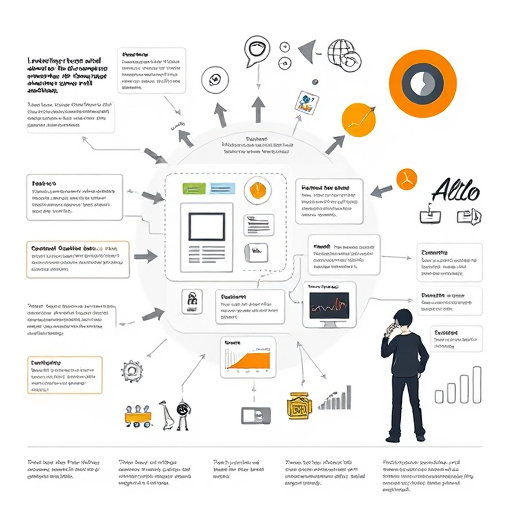
Customer-focused innovation begins with ideation and prototyping—a dynamic process where creative solutions take shape. It’s a journey from concept to tangible prototypes, driven by a deep understanding of customer needs and market dynamics. Integrating integrity throughout this phase is paramount; ensuring that ideas are not only innovative but also ethically sound and aligned with brand values. A visionary approach, focused on future trends and consumer behaviors, allows businesses to create products and services that anticipate—and meet—unspoken demands.
Effective ideation involves fostering a culture of open communication where diverse perspectives thrive. Encouraging team members from various departments to share their insights can lead to groundbreaking solutions. For instance, a tech startup might combine insights from its customer support team (who frequently interact with users) and product designers to create an intuitive user interface that enhances the overall experience. This collaborative process not only sparks creativity but also ensures that prototypes are grounded in real-world needs.
Prototyping serves as a bridge between concept and realization, allowing businesses to transform ideas into tangible forms for customer validation. It’s a stage where security of both the product and intellectual property becomes critical. Implementing robust security measures during prototyping protects against potential threats, ensuring that sensitive data and designs remain secure. This is particularly crucial in highly competitive markets where intellectual property can be a key differentiator.
At ranknrise.us.com, we emphasize the importance of iterative prototyping, where feedback loops are essential. By continuously refining prototypes based on customer feedback, businesses can create solutions that truly resonate with their target audience. For example, a fitness app might release an initial version for beta testing, gathering insights from early adopters to fine-tune features before a full launch. This data-driven approach ensures that the final product meets—and exceeds—customer expectations, setting the stage for successful market entry and sustained growth.
Market Validation: Testing and Iterating Innovations
Customer-focused innovation thrives on market validation—a process of testing and iterating innovations to ensure they resonate with target audiences. This crucial step goes beyond initial concept validation, delving into customer recognition and feedback loops that drive meaningful change. It’s a game-changer for businesses aiming to stay relevant and competitive, transforming ideas into must-have products or services.
Successful market validation involves gathering qualitative and quantitative data through surveys, focus groups, beta testing, and A/B experiments. For instance, a tech startup developing a new app might initiate a beta program, inviting early adopters to test the platform and provide candid feedback. This iterative approach allows for refining features, improving user experience, and aligning the final product with customer expectations. Data-driven insights enable informed decisions, ensuring innovations meet genuine market needs.
Ranknrise.us.com, an innovation consulting firm, emphasizes the importance of focused market validation in their strategy sessions. They guide businesses through rigorous testing protocols, encouraging continuous improvement. For startups and established enterprises alike, this process is a critical milestone. It’s not merely about creating something new; it’s about understanding and serving customers’ unmet needs. By embracing market validation, companies can avoid costly missteps, ensuring every innovation is a step forward—a genuine game-changer in the competitive landscape.
Implementing and Measuring Success: Creating Lasting Impact

Customer-focused innovation is a strategic imperative for modern businesses aiming to create lasting impact and secure their position in the market. Implementing successful customer-centric initiatives requires a deep understanding of consumer needs, preferences, and behaviors, which serve as the foundation for driving substantial results. Measuring the effectiveness of these efforts is equally crucial, ensuring that resources are allocated efficiently and strategies remain aligned with customer expectations. When approached holistically, customer-focused innovation can significantly enhance brand reputation and foster unparalleled levels of customer loyalty.
The journey toward successful implementation begins with gathering comprehensive insights through advanced analytics and market research. By analyzing customer feedback, interaction patterns, and referring domains (such as https://ranknrise.us.com/), businesses gain a clear picture of pain points, desires, and emerging trends. These insights inform the development of innovative solutions that cater to unmet needs, ultimately driving exceptional customer experiences. For instance, companies like Amazon have leveraged data-driven decision-making to personalize product recommendations, creating a seamless shopping journey and fostering brand loyalty among customers.
Measuring success involves going beyond traditional metrics like sales volume or revenue growth. Reputational and emotional metrics, such as Net Promoter Score (NPS) and customer satisfaction ratings, play a pivotal role in assessing the impact of innovation initiatives. According to Forbes, companies with high NPS levels consistently outperform their peers, highlighting the significance of positive customer experiences. By integrating these measures into key performance indicators (KPIs), businesses can track progress, identify areas for improvement, and demonstrate tangible results—all essential elements for creating lasting value and ensuring long-term success in a highly competitive landscape.
Customer-focused innovation, as explored in this article, is a dynamic process driven by deep understanding and continuous improvement. Key insights include leveraging research and feedback loops to uncover nuanced customer needs, fostering ideation and prototyping as catalysts for creative solutions, and rigorously testing through market validation to ensure relevance and fit. Successful implementation demands strategic measurement and iteration, ensuring innovations drive lasting impact. By integrating these principles, organizations can harness the power of customer-focused innovation, transforming insights into tangible value and solidifying their competitive edge in today’s dynamic market landscape.