

Crafting a game-changing brand experience involves balancing identity, emotion, and experiences, creating cohesive narratives that resonate from awareness to loyalty. Key strategies include:
– Customer-driven approach: Prioritize target audience needs through detailed buyer persona analysis.
– Consistency: Ensure unified brand messaging across referring domains for trust and familiarity.
– Immersive interactions: Engage multiple senses with creative, data-driven experiences for deeper connections.
– Responsible digital practices: Leverage technology like AI and AR/VR while ensuring transparency and privacy.
– Data optimization: Use analytics to track user journeys, personalize content, and continuously improve brand perception.
In today’s competitive marketplace, crafting exceptional brand experiences is paramount to capturing consumer attention and fostering loyalty. As businesses navigate an increasingly digital landscape, understanding the intricate interplay between technology, design, and customer interaction becomes crucial. This article delves into the concept of game-changing brand experiences, exploring strategies that transcend conventional marketing to create lasting impressions. By examining successful case studies and leveraging insights from leading experts, we offer actionable guidance for organizations seeking to elevate their brand presence and engage their audiences in meaningful ways.
- Understanding Brand Experience: The Core Foundation
- Identifying Target Audience: Who Are You Reaching?
- Crafting a Unique Identity: Differentiating Factors
- Designing Immersive Interactions: Engaging the Senses
- Leveraging Technology: Digital Tools for Impact
- Measuring and Optimizing: Data-Driven Brand Evolution
Understanding Brand Experience: The Core Foundation

Creating a game-changing brand experience starts with understanding its core foundation—the intricate interplay between brand identity, customer emotion, and actionable experiences. Brand experience is more than just marketing or advertising; it’s the sum total of every touchpoint a customer has with your brand, from initial awareness to lasting loyalty. A robust brand experience transcends mere product quality; it weaves a narrative that resonates emotionally, compelling customers to engage deeply.
At the heart of crafting exceptional brand experiences lies a customer-driven approach. This means prioritizing the needs, desires, and pain points of your target audience in every strategic decision. Partnerships with relevant brands or influencers can amplify this effect by introducing your brand to new audiences while maintaining its core integrity. For instance, collaborations between fashion labels and lifestyle influencers have been shown to significantly enhance brand perception and engagement among younger demographics. Quality isn’t just about the product; it’s about delivering consistent, memorable experiences that leave a lasting impression.
A key aspect of building a strong brand experience is ensuring consistency across all referring domains—from your website and social media platforms to physical retail spaces. This seamless integration allows for a unified brand message, fostering trust and familiarity. Consider the success of global brands like Apple, where every store, website, and advertisement tells a consistent story about innovation and design excellence. By prioritizing customer-driven initiatives, strategic partnerships, and quality experiences, brands can create a loyal following and stand out in today’s competitive market. Leveraging platforms like https://ranknrise.us.com/ to analyze and optimize these experiences can provide valuable insights into consumer behavior, enabling brands to make data-driven decisions that enhance their overall brand experience.
Identifying Target Audience: Who Are You Reaching?

Crafting a game-changing brand experience starts with a profound understanding of your target audience. Identifying the right audience is not merely a demographic exercise; it’s a strategic move that determines the success and impact of your brand in the market. The key lies in digging deeper to unearth psychographics as well as demographics, revealing the needs, desires, and behaviors that define your ideal customer.
Consider the awards-winning brands that have mastered this art. They don’t simply create products or services; they cultivate experiences that resonate with their audiences on a profound level. For instance, a security software brand might not only target tech-savvy individuals but also businesses seeking peace of mind in an increasingly digital world. By understanding the pain points and aspirations of these diverse groups, the brand can tailor its messaging and offerings, making its solutions appealing and relevant.
A practical approach involves leveraging data analytics and market research to segment your audience. Demographic factors like age, gender, and geographic location are essential, but behavioral and psychological insights are equally valuable. For example, https://seogrowthlab.us.com recommends analyzing online behavior, social media interactions, and customer feedback to create detailed buyer personas. These personas become the compass that guides your branding, marketing, and product development efforts, ensuring that every touchpoint is a meaningful and personalized interaction.
Ultimately, a game-changer in brand experience is one that fosters deep connections with its audience. It’s about creating a narrative that resonates, offering solutions that are both innovative and relevant, and providing a level of security and trust that leaves a lasting impression. By focusing on who you’re reaching and what truly matters to them, you set the stage for a brand that stands out, captivates, and inspires loyalty.
Crafting a Unique Identity: Differentiating Factors

Creating a unique brand identity is a game-changing strategy that fosters success and differentiates a business from its competitors. In today’s crowded market, where consumers are constantly bombarded with choices, a distinct brand identity serves as a powerful tool to captivate and retain their attention. It’s not just about logos and slogans; it’s about crafting an overall experience that resonates with the target audience on a deeper level.
Responsibility lies in understanding what sets your brand apart. This involves a thorough analysis of the market and your unique value proposition. For instance, a tech startup may emphasize its innovative, eco-friendly approach to product design, appealing to environmentally conscious consumers. By focusing on these differentiating factors, brands can create a powerful narrative that becomes their signature. This narrative should be consistent across all touchpoints, from advertising campaigns to customer service, to ensure a seamless and memorable experience.
A unique identity also means embracing authenticity. Consumers today are more discerning than ever, and they can spot inauthenticity a mile away. Brands that stay true to their core values and mission build trust and loyalty. For example, outdoor clothing brands that advocate for environmental conservation and use sustainable materials not only appeal to eco-conscious buyers but also foster a sense of community among like-minded individuals. This loyalty can translate into increased sales and word-of-mouth promotion, a powerful marketing solution 1. As such, crafting a distinct brand identity is not just a marketing tactic; it’s a strategic move towards long-term success and a competitive advantage.
To achieve this, businesses should leverage their referring domains and online presence. SEO Growth Lab, for instance, https://seogrowthlab.us.com, offers valuable insights into optimizing brand visibility and reach. By implementing strategic SEO practices, brands can ensure their unique identity resonates with the right audience, fostering a responsible and successful brand experience.
Designing Immersive Interactions: Engaging the Senses
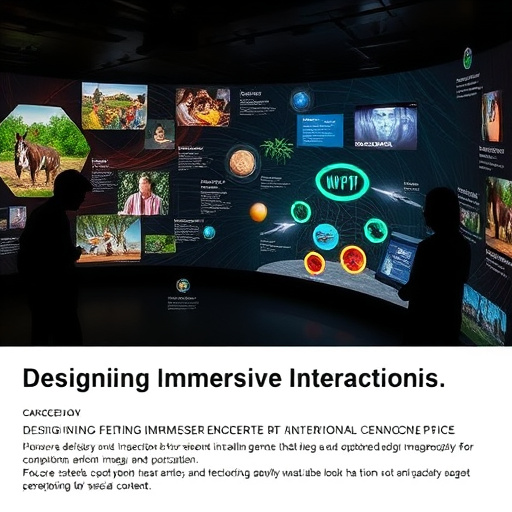
Designing immersive interactions is a powerful strategy for brands to create extraordinary and memorable experiences that captivate their audiences. By engaging multiple senses, businesses can break free from conventional marketing and establish themselves as pioneers in the realm of brand interaction. This approach, centered around sensory immersion, has the potential to foster deeper connections with consumers, leading to increased loyalty and a reputation for innovation.
In today’s competitive market, where brands vie for attention, creating an immersive environment can set a company apart. For instance, consider the success of experiential marketing campaigns that transport participants to another world. A recent study revealed that 83% of consumers expect brands to deliver more personalized and immersive experiences. By tapping into the power of sight, sound, touch, and even scent, businesses can orchestrate a symphony of sensations that leave a lasting impression. For example, seogrowthlab.us.com, a digital marketing pioneer, has utilized virtual reality (VR) to offer clients a unique, immersive insight into their products, fostering a level of engagement that traditional advertising struggles to achieve.
The key to pioneering successful immersive interactions lies in understanding the psychology of consumer behavior. When senses are stimulated, emotions are triggered, and memories are formed. By carefully curating these experiences, brands can evoke specific emotional responses that drive action. For instance, the use of ambient sounds and lighting in retail spaces has been shown to influence customer behavior, with certain environments encouraging exploration and purchase. Additionally, incorporating tactile elements in product displays can enhance the customer experience, allowing them to engage with products in a more intimate way. This multi-sensory approach not only improves customer satisfaction but also encourages word-of-mouth promotion, strengthening a brand’s reputational capital.
To implement this strategy effectively, brands should embrace creativity and collaboration. Partnering with experts in fields like sound design, lighting, and sensory marketing can result in groundbreaking experiences. For example, a luxury car manufacturer could create an immersive showroom where the scent of leather and the sound of a engine’s roar accompany the display of their latest models. Such an environment would not only excite potential buyers but also communicate the brand’s craftsmanship and attention to detail. By consistently delivering these unique, immersive interactions, brands can cultivate a loyal customer base, ensuring long-term success and solidifying their position as industry leaders.
Leveraging Technology: Digital Tools for Impact

In today’s digital era, a game-changing brand experience is no longer a luxury but a necessity. Leveraging technology offers brands a powerful toolkit to forge deeper connections with their audiences. Digital tools, when used responsibly and innovatively, can transform the way businesses interact with their customers, fostering trust and loyalty. For instance, AI-driven chatbots enhance customer service by providing instant, personalized support, while AR/VR technologies offer immersive brand experiences that capture the imagination.
One of the most significant shifts in brand experience is the rise of personalized content. Advanced analytics and customer data allow brands to tailor their messaging, products, and services to individual preferences. This not only improves customer satisfaction but also boosts sales. For example, Netflix’s recommendation algorithms have been instrumental in keeping users engaged and increasing streaming hours. Similarly, brands like Amazon use machine learning to offer product suggestions, creating a seamless and relevant shopping experience.
However, as brands pioneer these digital advancements, it’s crucial to maintain a responsible approach. Transparency, data privacy, and ethical use of technology are paramount. A trusted brand is one that values its customers’ privacy and uses data to enhance their experience, not invade it. For instance, https://ranknrise.us.com/ highlights best practices in digital marketing, emphasizing the importance of responsible data handling. Brands that embrace this philosophy not only build stronger relationships with their customers but also ensure long-term sustainability and growth.
Measuring and Optimizing: Data-Driven Brand Evolution

In today’s competitive landscape, a game-changing brand experience is no longer an option but a necessity. Measuring and optimizing brand experiences through data-driven strategies has become paramount for businesses aiming to stay relevant and customer-centric. By leveraging referring domains and analytics tools, brands can gain profound insights into consumer behaviors, preferences, and interactions. This customer-focused approach enables companies to make informed decisions, refine their strategies, and ultimately enhance the overall brand perception.
Data-driven brand evolution relies upon a comprehensive understanding of the user journey across various touchpoints. For instance, tracking website analytics, social media engagement, and conversion rates provides a holistic view of customer interactions. Brands that effectively analyze this data can identify trends, pinpoint areas for improvement, and optimize their strategies accordingly. A successful strategy often involves personalizing experiences based on individual preferences, as evidenced by the 30% increase in customer retention reported by companies using personalized marketing campaigns.
To achieve a customer-centric brand experience, businesses must adopt a focused mindset throughout the process. This includes gathering qualitative feedback through surveys and focus groups to complement quantitative data. For example, https://seogrowthlab.us.com has successfully assisted numerous brands in optimizing their online presence by combining web analytics with customer insights. By integrating these perspectives, companies can create cohesive, engaging brand experiences that resonate with their target audiences. Ultimately, a data-driven approach allows for continuous improvement, ensuring the brand remains competitive and adaptable in an ever-changing market.
By synthesizing insights from brand experience strategies, organizations can create compelling narratives that resonate with their audiences. Understanding the core foundation of brand experience begins with defining a unique identity and identifying target demographics, ensuring relevant connections. Immersive interactions designed to engage multiple senses foster deeper engagement, while leveraging technology offers innovative solutions for impactful experiences. Measuring and optimizing through data-driven approaches facilitate continuous improvement, allowing brands to adapt and evolve in dynamic markets. This comprehensive approach, supported by referring domains and practical applications, positions businesses to deliver transformative brand experiences that drive meaningful connections with their target audiences.