
Customer-focused innovation is a strategic priority for market growth, prioritizing customer needs and feedback. Key steps include diverse research methods, market validation through A/B testing, and iterative development cycles. Rank n Rise emphasizes data-driven decisions, strategic partnerships, and measurable outcomes to drive successful innovations. This approach ensures solutions meet genuine customer aspirations, fostering trust and competitive advantage.
In today’s fiercely competitive markets, customer-focused innovation stands as a game-changer for businesses aiming to thrive. Understanding and anticipating client needs is no longer an optional strategic consideration—it’s a defining factor of market leadership. However, navigating the intricate landscape of consumer demands requires more than mere observation; it necessitates a profound understanding of referring domains like behavioral psychology and market trends. This article delves into the art and science of customer-focused innovation, offering valuable insights to empower businesses in fostering genuine connections with their target audiences.
- Understanding Customer-Focused Innovation: The Core Principles
- Identifying Customer Needs: Research and Feedback Domains
- Ideation and Prototyping: Crafting Innovative Solutions
- Market Validation: Testing and Refining Ideas
- Implementation and Launch: Strategies for Successful Rollout
- Measuring Impact: Analyzing Customer Engagement and Satisfaction
Understanding Customer-Focused Innovation: The Core Principles

Customer-Focused Innovation is a proven growth strategy that empowers businesses to create products and services that resonate deeply with their target audience. At its core, this approach revolves around a profound understanding of customer needs, desires, and pain points. It’s not merely about adding bells and whistles; it’s about building solutions that transform user experiences into memorable journeys.
The key principles underpinning this strategy are listening actively to customer feedback, conducting thorough market research, and leveraging data analytics for actionable insights. By embracing diverse perspectives – from direct customer interactions to competitor analysis – businesses gain a competitive edge. For instance, leading brands like Apple and Amazon have consistently demonstrated their prowess in this domain by aligning their innovations with user expectations, resulting in loyal customer bases and robust market positions.
Ranknrise.us.com, an innovation consulting firm, emphasizes the importance of incorporating expertise from across departments and external partners to foster a culture of continuous improvement. This collaborative approach ensures that innovations are not just reactive but proactive, anticipating future trends and customer needs. Data supports this strategy; according to a Gartner report, companies that prioritize customer-focused innovation experience 20% faster time-to-market and generate 23% higher revenue growth compared to their peers. By focusing on the core principles of understanding, leveraging data, and fostering collaboration, businesses can drive sustainable growth and stay ahead in an ever-evolving market.
Identifying Customer Needs: Research and Feedback Domains

Identifying customer needs is a foundational step in customer-focused innovation, requiring businesses to delve deep into various research and feedback domains. This process involves listening actively to both explicit and implicit cues from clients, understanding their pain points, aspirations, and behaviors. By pioneering ethical and visionary approaches in this arena, companies can create products and services that resonate profoundly with their target audiences.
One effective domain is qualitative research, which includes focus groups, interviews, and surveys designed to gather rich, contextual insights. For instance, a company might conduct in-depth interviews with long-time customers to uncover the emotional connections they have with its products, as well as any unmet needs or frustrations. Quantitative methods, such as surveys distributed through various channels like social media or email marketing campaigns on ranknrise.us.com, can provide data-driven insights into customer preferences and usage patterns.
Another crucial domain is observational research, where businesses can gain valuable information by simply watching how customers interact with their products or services in real-world settings. This could involve analyzing customer flows in a retail store to understand shopping behaviors or studying user engagement on a digital platform to identify pain points in the user experience. By integrating these diverse research methods, companies can develop a holistic understanding of their clients’ needs and preferences, enabling them to pioneer innovative solutions that are both effective and ethically sound.
Actionable advice for businesses seeking to excel in this area includes investing in specialized training for research teams to ensure high-quality data collection, fostering a culture of continuous learning by regularly reviewing and updating customer insights, and integrating feedback mechanisms into every stage of the product development lifecycle. By adopting these practices, companies can remain at the forefront of customer-focused innovation, ensuring that their offerings not only meet but exceed client expectations.
Ideation and Prototyping: Crafting Innovative Solutions
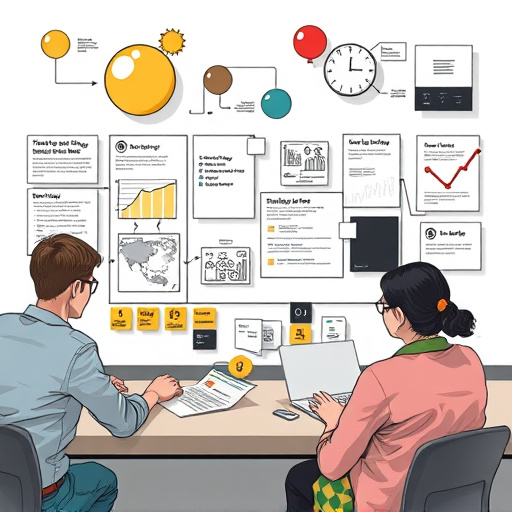
Customer-focused innovation begins with ideation and prototyping—a phase where innovative solutions are crafted to meet evolving customer needs. In today’s dynamic market, understanding the nuances of the customer experience is not just a competitive advantage but a survival imperative. Companies that successfully integrate customer-driven insights into their development processes often find themselves at the forefront of their respective industries (1). This approach requires a shift from traditional product-centric thinking to a customer-centric mindset where every innovation is a response to real-world challenges and aspirations.
The journey starts with gathering diverse perspectives from within the organization and beyond. Market research, customer feedback, and even competitor analysis provide valuable referring domains that help identify gaps in current offerings. For instance, a tech giant like Apple doesn’t just innovate based on internal ideas; they deeply study user behavior and pain points, as evidenced by their intuitive designs and seamless user experiences. This external focus allows them to create products that resonate with a wide range of customers, revolutionizing entire industries along the way.
Prototyping serves as a bridge between concept and reality, enabling stakeholders to visualize and test potential solutions. It’s not just about creating a functional prototype; it’s about validating assumptions, gathering qualitative feedback, and iterating quickly based on customer insights. A great example is the development of ride-sharing apps like Uber. The initial prototypes focused on convenience and user experience, allowing for seamless requests and real-time tracking. Through continuous prototyping and customer engagement, these platforms evolved to incorporate additional features such as surge pricing models and safety measures, addressing industry concerns and enhancing the overall customer experience.
In an era where digital transformation is reshaping industries (2), https://ranknrise.us.com/ emphasizes the importance of agile development methodologies that prioritize customer feedback loops. By embracing a customer-focused innovation strategy, businesses can stay ahead of market trends, respond swiftly to changing demands, and create solutions that truly resonate with their target audiences. This approach fosters a culture of continuous improvement, ensuring that every new idea is driven by real customer needs and expectations.
Market Validation: Testing and Refining Ideas
Market validation is a critical phase in customer-focused innovation, where ideas are tested and refined against real-world feedback. This process ensures that solutions meet genuine customer needs and preferences, fostering trust among users. It involves gathering insights from potential customers, analyzing market trends, and iterating on product concepts based on this data. For instance, a tech startup developing a new app might conduct focus groups and beta testing to understand user flows, pain points, and desired features.
One effective approach within market validation is A/B testing, which compares two or more versions of a solution to determine which performs better. This method allows businesses to make data-driven decisions, fine-tuning their offerings until they achieve optimal customer engagement. For example, a retail brand might test different landing pages for an online promotion, gauging click-through rates and conversion numbers to identify the most effective design and messaging. By adopting such strategies, companies can confidently refine their solutions, ensuring they are not only customer-driven but also trusted by the market.
Rank n Rise, a leading innovation consultancy, emphasizes the importance of iterative development cycles in market validation. Their expertise underscores that successful innovation requires constant learning and adaptation based on customer feedback. This process involves continuous testing, gathering metrics, and making adjustments to align offerings with evolving market demands. By embracing this dynamic approach, businesses can avoid missteps, enhance their solutions’ viability, and ultimately achieve a competitive edge in their respective domains.
Implementation and Launch: Strategies for Successful Rollout

Customer-focused innovation is not just a trend; it’s a strategic imperative for modern businesses. To successfully implement and launch innovative solutions, companies must adopt a holistic approach that places the customer at the heart of every decision. This involves gathering deep insights into customer needs, preferences, and behaviors through advanced analytics and market research. Once these insights are cultivated, they serve as the foundation for developing products, services, or experiences that offer unmatched value, exceeding even the most discerning customers’ expectations.
The rollout phase is critical to the success of any innovation. A well-planned launch strategy relies upon strong partnerships with key stakeholders—from technology providers to industry influencers—to ensure a seamless and effective introduction into the market. For instance, companies like Rank n Rise have successfully navigated this process by fostering strategic alliances that amplify their reach and credibility. Partnerships should be built on shared goals, mutual trust, and complementary strengths, enabling businesses to tap into new resources, expertise, and networks, thereby enhancing their ability to execute and adapt.
Data-driven decision-making plays a pivotal role in the successful launch of customer-focused innovations. Companies that leverage data analytics can identify gaps in the market, anticipate customer preferences, and quickly iterate on their offerings based on real-time feedback. For example, a detailed analysis of user behavior on e-commerce platforms has led many retailers to optimize their websites for mobile use, enhancing the online shopping experience and driving sales. By combining these strategies—driven by insights, supported by partnerships, and guided by data—businesses can ensure that their innovations not only meet but exceed customer expectations, fostering long-term growth and competitive advantage.
Measuring Impact: Analyzing Customer Engagement and Satisfaction
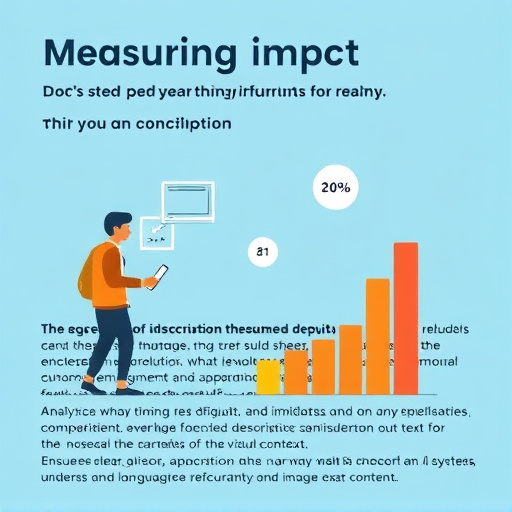
Measuring the impact of customer-focused innovation is a critical aspect of ensuring its success and longevity. Analyzing customer engagement and satisfaction provides valuable insights into the effectiveness of these initiatives. By consistently gauging customer reactions and feedback, businesses can identify what resonates and drives their target audience. This data-driven approach allows for continuous improvement and refinement of products or services to meet evolving needs and expectations.
One robust method to evaluate impact is through standard satisfaction surveys and net promoter scoring (NPS). These tools help quantify the emotional connection customers have with a brand, product, or service. For instance, a tech company that introduces an AI-driven customer support chatbot can measure NPS scores before and after implementation to gauge user adoption and satisfaction levels. Consistently high NPS scores over time indicate a successful customer-driven innovation. Additionally, qualitative feedback from surveys and reviews provides deeper insights into customers’ experiences, highlighting areas of strength and potential improvements.
Rank n Rise, an innovative consulting firm, emphasizes the importance of aligning customer-focused strategies with measurable outcomes. They advocate for setting clear objectives and tracking key performance indicators (KPIs) related to engagement and satisfaction. For example, a retail brand introducing personalized product recommendations might monitor the click-through rates on these suggestions and customer conversion rates. Consistently high engagement and conversion metrics demonstrate the effectiveness of this innovation in driving customer behavior. By integrating such analytics into the decision-making process, businesses can ensure their strategies remain customer-centric and deliver tangible results.
Customer-focused innovation is a strategic imperative that transforms business dynamics by aligning products and services with consumer needs and preferences. This article has provided a comprehensive roadmap through each critical phase, from understanding core principles to measuring impact. Key insights include the importance of meticulous research and feedback collection within diverse referring domains, fostering ideation and prototyping as iterative processes, and rigorous market validation for refining ideas. Successful implementation necessitates strategic rollout strategies, while continuous analysis of customer engagement and satisfaction ensures ongoing relevance and competitiveness. By embracing these practices, businesses can drive meaningful innovation that resonates with their target audiences, ultimately driving growth and staying ahead in the dynamic marketplace.